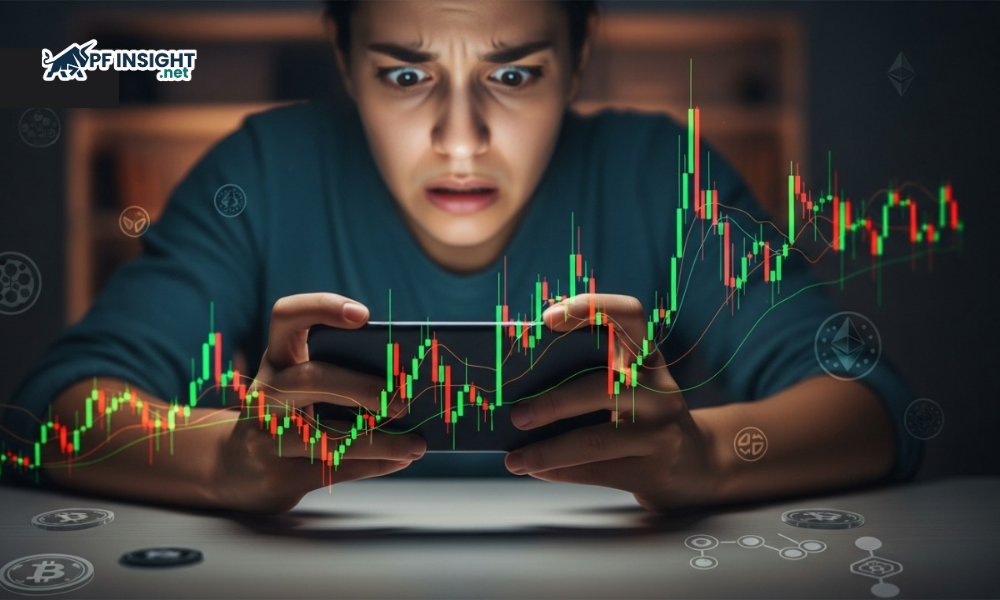
Revenge trading is one of the most dangerous psychological mistakes traders often make after a loss. When anger and the desire to “quickly recoup” take over, traders easily break discipline, enter trades without analysis, and increase unnecessary risk. In this article, pfinsight.net this will help traders understand what revenge trading is, how to recognize and control emotions effectively to protect their trading accounts.
- Fear and greed in trading: how understanding emotions improves decision-making
- Trading psychology basics every beginner needs before trading real money
- Base and quote currency explained for traders learning forex basics
What is revenge trading?

Revenge trading is a highly emotional trading style that arises when traders try to quickly recoup previous losses. Instead of adhering to a plan and managing risk, traders often enter trades hastily and without control, significantly increasing risk. This behavior usually stems from feelings of anger, frustration, or pressure to “prove” their abilities after a loss, and the result is often rapid depletion of the account.
In other words, revenge trading is the result of emotional decision-making after a losing trade. Traders often act irrationally, increasing risk and no longer adhering to their original plan. When discipline is broken, subsequent trades easily become uncontrollable and cause serious damage to the account.
Revenge trading stems from a desire to recover losses, but the consequence is often even greater losses. When emotions take over, traders struggle to remain calm, easily repeat mistakes, and fall into a vicious cycle that depletes capital and disrupts rational decision-making.
Psychological factors behind revenge trading
Understanding the triggers of revenge trading helps traders proactively control their trading behavior and limit unnecessary risks. By identifying common triggers, you can apply appropriate preventative measures to maintain discipline and stable trading psychology.
- Losses: The most common trigger for revenge trading is a previous losing trade. When a loss occurs, traders easily develop a desire to quickly recoup their losses. This pressure causes many to disregard analysis and trading discipline, leading to more emotional and risky decisions.
- Anger and frustration: Losses in trading often lead to negative emotions such as anger or disappointment. When these emotions take over, traders easily lose their ability to assess objectively and make inaccurate decisions. This increases the risk of impulsive trading and leads to a series of subsequent mistakes.
- The desire for revenge against the market: The pressure to quickly recover losses and avoid falling behind often drives traders to accept higher-than-normal levels of risk. When the desire for revenge takes over, trading decisions are likely to become hasty, ill-considered, and deviate from the original plan.
- Shame and fear: Many traders struggle to accept losses, especially large ones. Feelings of shame or fear of being judged by others can drive them to make hasty trades in an attempt to quickly recoup their losses. The pressure to save face becomes a powerful psychological motivator, making traders susceptible to revenge trading.
5 signs you are engaging in revenge trading
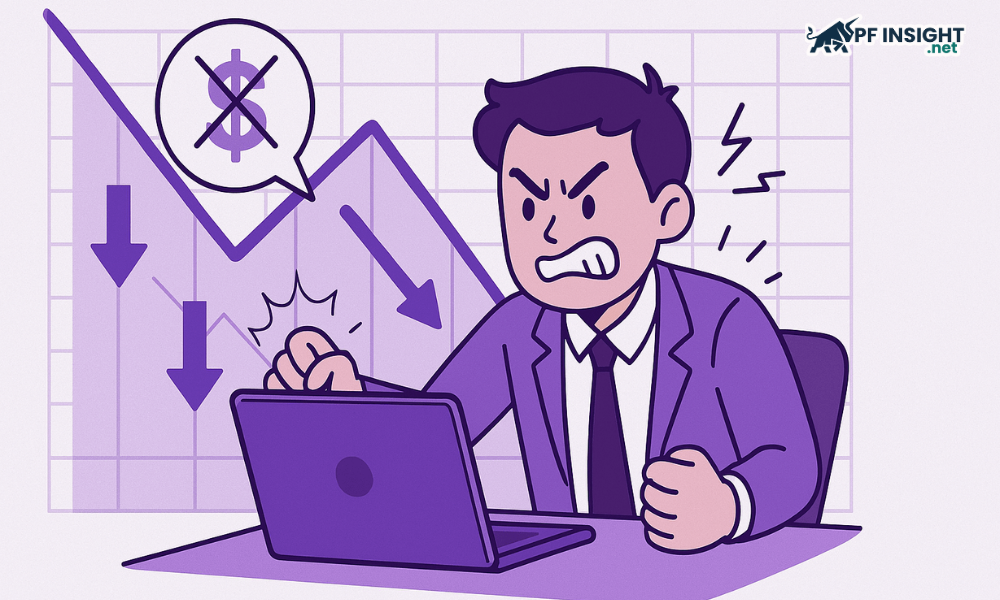
The following content will further clarify common signs that make traders susceptible to revenge trading from the very beginning, helping you to identify and proactively prevent it.
Trading driven by negative emotions and ego
Anger and frustration are common psychological triggers for revenge trading. After a losing trade, traders may blame themselves, the market, or feel unfairly treated because the results weren’t as expected. This feeling is even stronger when you believe you followed your strategy correctly. When your ego is hurt, the desire to prove your competence or “right” to others can easily lead traders to trade impulsively and disregard established discipline.
When emotions are allowed to take over instead of logic and strategy, traders are very likely to make irrational and high-risk decisions. You might ignore previously established rules for entry, exit, and risk management. Furthermore, overtrading, increasing volume, or frequently entering trades in an attempt to quickly recover losses can also worsen the situation.
Taking trades without a clear trading edge
Advantage is the foundation that helps traders maintain a profitable probability, formed from a tested system, indicator, or analytical method. The rationale for a trade is a specific factor that prompts you to act, such as technical signals, price patterns, or a setup that aligns with your trading plan.
When engaging in revenge trading, traders often enter or exit trades inconsistently, relying heavily on personal feelings rather than clear signals. These decisions may go against the general trend, market conditions, or previously established trading style. Many also chase prices hoping to catch a sharp price movement, or attempt to trade against the market to find a quick reversal point.
Setting profit targets that do not match market conditions
A common manifestation of revenge trading is setting unrealistic expectations and goals. Expectations reflect what traders believe the market will do, often based on assumptions or personal beliefs. Meanwhile, trading goals are the desired outcomes, formed from metrics or rewards that traders set for themselves.
In revenge trading, traders often expect the market to move according to their wishes, regardless of actual data or signals. Many believe that simply trading more will compensate for losses, even though the probability is very low. At the same time, they set unrealistic goals such as quickly doubling their account, achieving a fixed profit, or maintaining a high win rate.
Trading without setting stop-loss and take-profit orders
In revenge trading, traders may enter trades without setting clear stop-loss or take-profit points. Many believe the market will eventually move in their favor, or think they can manually exit trades at the right time. Furthermore, constantly moving stop-loss or take-profit levels to avoid losses or prolong profits often leads to uncontrolled risk increases and reduces the risk-reward ratio.
Failing to analyze and learn from trading history
Reviewing trades helps traders evaluate performance, identify strengths and weaknesses, and determine areas for improvement to enhance the quality and consistency of their trading.
When falling into revenge trading, traders often neglect to review past trades and learn from them. Many believe that re-analyzing trades is a waste of time or that past mistakes are irreversible. This mindset hinders the improvement process.
Instead of acknowledging their own mistakes, traders may blame the market, the exchange, the system, or unexpected news when losses occur. This way of thinking provides temporary psychological relief but hinders the learning process. Without taking responsibility for their decisions, traders struggle to improve their skills and trading performance.
Serious consequences of revenge trading behavior
Revenge trading can have significant negative impacts, not only depleting capital but also severely affecting a trader’s mental state and decision-making abilities.
- Severe financial losses: The most obvious consequence of revenge trading is the continuous losses incurred due to traders making hasty trades, lacking analysis, and accepting higher-than-normal levels of risk.
- Depletion of trading capital: Repeatedly engaging in revenge trading can quickly deplete an account, pushing traders into a state of depleted capital and forcing them to stop participating in the market.
- Prolonged psychological pressure: A series of losses coupled with impulsive decisions can easily create stress, anxiety, and mental fatigue, negatively impacting long-term mental health and decision-making abilities.
- Negative impact on trading psychology: Revenge trading forms and reinforces flawed trading habits, making it difficult for traders to develop a disciplined and objective mindset in the long run.
- Undermining trading strategy: Frequently breaking the plan due to emotional impulses causes the strategy to lose consistency, thereby reducing the ability to generate stable profits.
- Decreased confidence: A losing streak resulting from revenge trading can erode a trader’s self-confidence, leading to increasingly hesitant and ineffective decision-making.
Methods to help traders avoid revenge trading
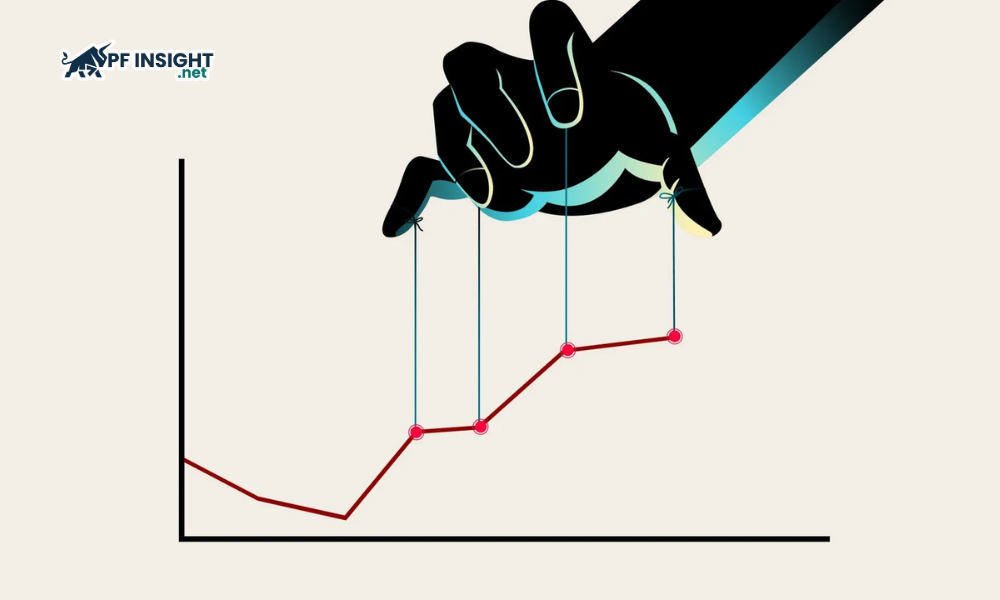
Revenge trading is a common but costly mistake many traders make, which can quickly lead to account losses. Recognizing warning signs and implementing preventative measures will help you control your emotions and optimize profits.
- Pause and regain composure: When experiencing losses in a trade, taking a step back is crucial. Step away from the screen for a few minutes or hours to reduce stress and prevent emotions from taking over. This break allows you to view the situation more objectively, review your strategy, and analyze the reasons for the failure. By pausing trading, you have a chance to return with a stable mindset, make more informed decisions, and avoid impulsive actions that could harm your account.
- Enhance your psychological awareness: Observe your emotions, thoughts, and behavior while trading. Pay attention when anger, frustration, or ego dominates your decisions. Keeping a journal or seeking psychological monitoring from a mentor can help you identify behavioral patterns and better manage your emotions during trading.
- Evaluate your strategy and market conditions: Carefully analyze your executed trades to identify what worked well and what needs improvement. Check if you adhered to your strategy, executed your plan correctly, and adjusted appropriately to market conditions. Use objective data such as charts, indicators, and statistics to evaluate performance. This process helps you learn from your mistakes, optimize your strategy, and make more informed decisions in future trades.
- Apply the “two-times” rule: Set limits on the number of consecutive losing trades or the maximum daily loss percentage before pausing trading. For example, if you lose two trades in a row or lose 2% of your account, stop trading immediately. This rule helps prevent overtrading, reduces emotional risk, and effectively protects capital.
- Identify the triggers and rewards: Be aware of the factors that trigger revenge trading behavior and the rewards you receive from it. For example, the trigger might be a losing trade, while the reward is a feeling of “compensation” or temporary satisfaction. Once you understand this, you can replace revenge trading with another positive habit, such as reviewing trades, analyzing mistakes, or learning a new skill. This helps you control your emotions and maintain discipline in the long term.
- Behavioral modification: Use positive or negative reinforcement to control trading behavior. For example, reward yourself for avoiding revenge trading, such as with a small treat, or apply a mild form of “punishment” if you engage in revenge trading. This method helps build discipline and improve trading habits.
- Focus on long-term goals: Revenge trading often leads traders to seek immediate recouping losses, overlooking sustainable growth. It’s crucial to maintain a long-term objective: success in trading isn’t about winning every trade, but about generating consistent profits over time. Regularly review your trading performance, learn from mistakes without trying to fix them immediately. By focusing on long-term discipline, you’ll find it easier to stay calm, make sound decisions, and avoid the pitfalls of revenge trading.
Conclude
Revenge trading is a dangerous psychological trap that any trader can fall into. Recognizing the signs, controlling emotions, and adhering to discipline are key to avoiding unnecessary losses. By focusing on long-term strategies and learning from trades, you will develop into a more level-headed and sustainable trader.