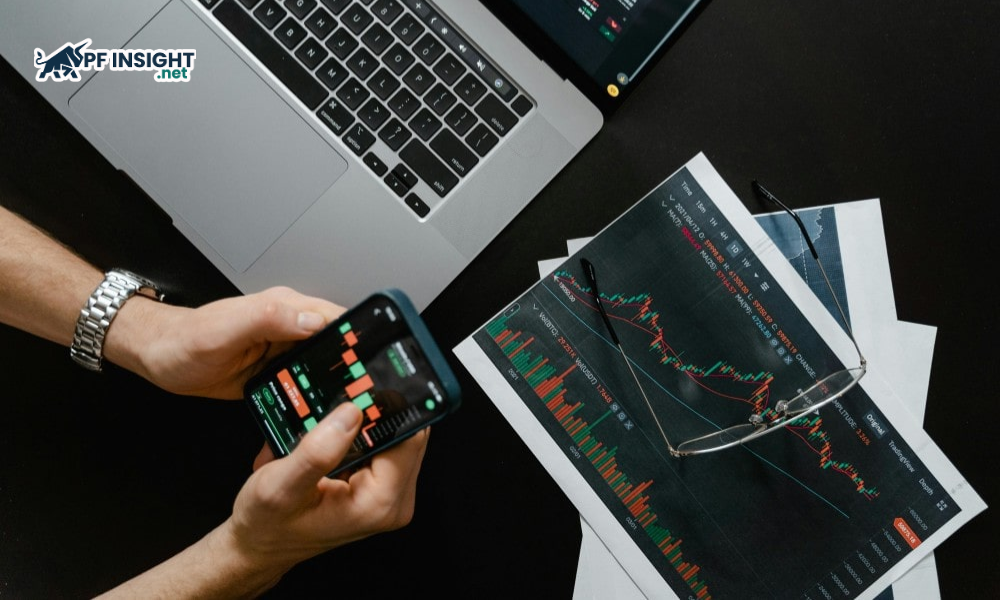

The opportunity to make money from the foreign exchange market is always attractive, but Forex trading scams can make many traders lose everything if they are not careful. Fraudsters often use the trick of promising sure profits to attract newbies. In this article, pfinsight.net will analyze common Forex scams and share effective ways to avoid them, helping you trade more safely and confidently.
- Choosing the best forex trading courses for your trading goals
- How currency pairs work understanding base and quote currencies
- Trading indices for beginners: key concepts and how index trading works
What is a Forex scam?
Forex trading scams are fraudulent activities designed to trick traders into thinking they are trading legitimately, while the scammer secretly steals their money. These tricks can appear in many forms such as unlicensed brokers, magic trading signals, Ponzi schemes or pyramid schemes masquerading as investments. Their ultimate goal is to steal all of the investors’ assets.
Forex scams often prey on the greed and ignorance of newbies. Scammers often promise “guaranteed” profits, low risk, and quick ways to make money. These flashy advertisements make many traders lose their guard and easily fall into the trap.
Scammers often create fancy websites, trick you with fake reviews, and use sophisticated marketing techniques. Once you trust them completely, they immediately take your money, leaving you with empty promises and an empty account.
5 Forex trading scams that make traders lose money easily
Forex trading scammers are always innovating their tricks to take advantage of inexperienced traders. They exploit the psychology and ignorance of new traders. Here are some common scams you should be aware of.
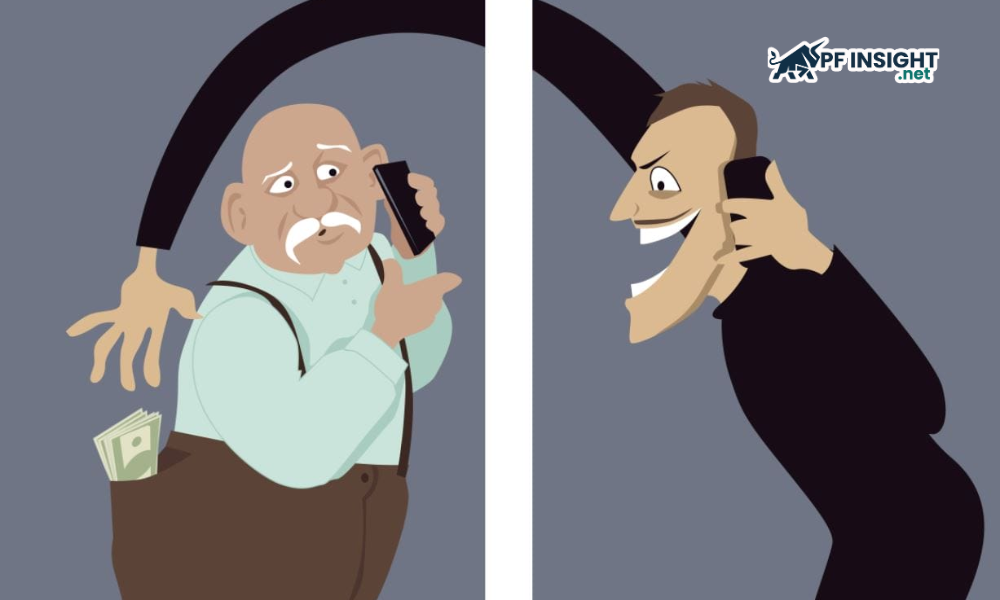
Fake Forex broker
The most common Forex trading scams today are fake brokers. They design a very professional broker interface, creating a sense of security so that you can confidently open an account and deposit money. However, the transactions you make are never put on the real market, they are just fake operations on the scammer’s internal system.
The problem arises when you try to withdraw money. Withdrawal requests will be rejected continuously, or the broker will give countless technical reasons to delay, and eventually disappear with the money you deposited.
To create trust, fake brokers often falsely claim to be licensed by reputable regulatory bodies. They may even falsify documents and registration numbers. When you take the step of verification by visiting the official website of the regulatory body, you will realize that: The company is not licensed, or is registered by an obscure agency that has no authority in the field of international finance.
Ponzi and pyramid schemes
Ponzi and pyramid schemes are age-old scams that have been around in the Forex market. Fraudsters promise investors unreasonably high returns without actual trading, eliminating all risk. In reality, the profits are paid out only from later participants’ money.
The Ponzi scheme is not based on any legitimate transaction. The scammer simply uses new investors’ capital to pay for the promised “returns” to older investors. This creates a financial illusion of a quick return on investment. However, when the new money dries up, the entire system collapses.
Pyramid schemes operate similarly to Ponzi schemes, but with a distinct difference: they require participants to actively recruit new members to earn income. When the number of participants reaches the limit, the system will no longer be able to pay and collapse. As a result, most investors lose their capital and suffer huge losses.
High-pressure sales tactics
To lure victims, Forex trading scammers often use a tactic of incessant communication (calls, emails), urging you to join to receive limited-time offers or unique opportunities. The purpose is to create pressure, causing you to make hasty decisions without having enough time to thoroughly analyze the legitimacy of the investment.
Forex signal selling service scam
Another common Forex trading scam is the sale of trading signals. These guys often boast about using sophisticated algorithms to predict price movements with near-perfect accuracy. The promise of highly effective signals is just to lure you into paying a subscription fee, while actual trading results are not guaranteed.
The actual quality of these signals is often very poor, they can be random predictions or delayed information. In some cases, the signals are given to make you lose money so that the seller can profit from the opposite trade or many scammers will disappear from social networks and websites after collecting a certain amount of subscription fees. Therefore, only subscribe to a signal service after you have verified the provider’s track record and transparency.
EA and robot scam
Trading robots (EAs) are programs that automatically execute Forex orders according to predetermined rules. While there are legitimate EAs, they are also a breeding ground for Forex trading scams. Scammers market ineffective or flawed EAs that promise high returns but only aim to profit from selling cheap software.
EA scammers often display perfect backtest charts, created from carefully selected historical data to inflate performance. After you pay, the Robot will actually make random trades, leading to rapid capital loss or simply stop working.
The fact is that no EA or trading system guarantees profits in the volatile Forex market. You need to be especially wary of robots that are sold at very low prices. Entrusting your capital to these cheap tools is a huge risk and usually leads to the only result: loss of money.
Why do investors often fall into scams?
Forex trading scams succeed by exploiting traders’ greed and fear. These emotions make them easily fall for the promise of high returns while ignoring the real risks.
- Greed for quick profits: Newbies are often lured by the idea of making money from automated Robots (EAs) or Pyramid schemes that pay referral commissions. Scammers exploit traders’ greed and desire to get rich by promising high returns with minimal risk. This makes it easy for new investors to overlook any obvious warning signs.
- FOMO Psychology: Forex trading scammers often create time pressure, convincing newbies that they must act now or risk losing the opportunity. This psychological manipulation causes FOMO, which causes people to make emotional decisions without taking the time necessary to analyze the risks and learn about the nature of the trade.
Signs to recognize common Forex trading scams
Identifying Forex scams is not easy, especially for new traders. However, if you know the warning signs, you can protect yourself financially from fraud. Here are some common signs that will help you recognize Forex trading scams.

Beware of promises of “unimaginable” profits
Scammers often succeed because they prey on greed, promising 100% guaranteed returns with minimal risk and passive income. They may promote the perfect system or insider knowledge to help you get rich quickly. However, no legitimate investment, especially in the volatile Forex market, can guarantee such returns.
Traders should be extremely wary of those who promise consistent profits or “get rich quick” schemes through Forex. This is unrealistic. Reputable brokers will always clearly warn about trading risks and never make profit promises.
Unlicensed brokers
To avoid Forex trading scams, it is important to choose a regulated broker. Licensed brokers must comply with strict regulations from financial authorities, to protect traders’ interests, ensure transparency and fairness in the market, and reduce the risk of losing money due to dishonest trading.
Before opening any account, conduct a legal verification of the broker. Search for the company name on the official website of reputable financial authorities such as the Commodity Futures Trading Commission (CFTC) or the Financial Conduct Authority (FCA). If the broker is not regulated by a competent authority or is supervised by an organization with a poor reputation, the risk of being scammed is very high.
The Forex brokerage is not transparent
A trustworthy broker always puts transparency first. Legitimate brokers will be open about their services, fees, platforms, and Forex trading risks. Furthermore, they are easy to contact with any questions, facilitating fair trading.
If your broker is vague, evasive, or unwilling to provide information about their business, consider this a top red flag. Forex trading scammers often use complex technical jargon and confusing explanations to confuse and mislead traders.
Dishonest reviews
Scammers often manipulate public opinion by posting numerous fake testimonials and reviews on online platforms. They use this tactic to build a trustworthy facade and create the impression of a legitimate trading company.
To avoid Forex trading scams, stick to verified review sources. Be skeptical of brokers that receive unusually positive reviews. These reviews are often vague and lack specific details about the trading process. Reliable reviews should provide a realistic view of the broker’s strengths and weaknesses.
How to effectively avoid Forex scams
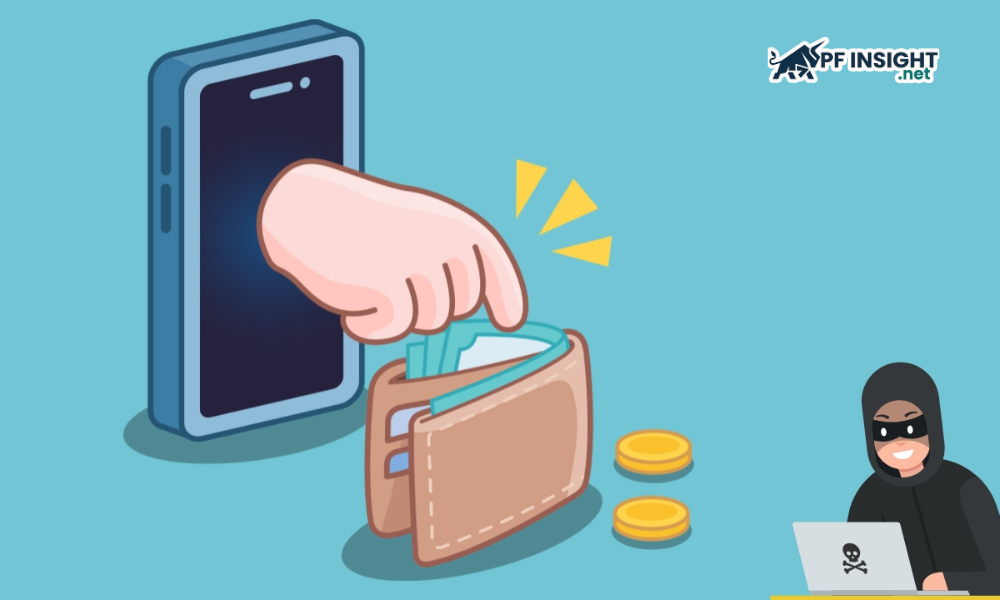
To avoid Forex trading scams, traders need to be vigilant and cautious. Being skeptical of promises of excessively high returns will help you reduce your risk. Here are some practical guidelines to help you choose a reputable broker and protect your assets.
- Research the broker before investing: Before signing up for an account, research the broker thoroughly. Read reviews, feedback from other users, and check for warnings or complaints. Only choose brokers that are licensed by reputable financial authorities, have a history of transparency and fair operations, which will help protect you from Forex scams.
- Check the broker’s license: To avoid Forex trading scams, choose a broker that is regulated and licensed by leading financial institutions. A regulated broker will provide better protection for your capital and adhere to strict rules. In particular, your money will be kept separate from the company’s funds. The simplest step to verify the license is to look up the broker’s name on the official website of the relevant regulatory body.
- Avoid 100% profit promises: Any claims of a perfect system or guaranteed profits should be considered a scam. Forex trading always involves risks and there is no such thing as risk-free wealth. The difference is that trustworthy brokers will always warn about the risks; while scammers only focus on promising guaranteed profits.
- Risks of trading with high leverage: Leverage is a double-edged sword, it increases both potential profits and risks significantly. Consider extremely high leverage as a warning sign of Forex trading scams. Legitimate brokers will offer limited leverage options and always emphasize the risks associated with using this tool. If a broker encourages unreasonable leverage, stay away.
- Take advantage of demo accounts: Using a demo account is an essential step to avoid Forex trading scams. Legitimate brokers offer this tool so you can practice without risking real capital. The purpose is to help you get a feel for the execution speed, platform features, and responsiveness of support. Through the demo, you can determine whether the broker is really suitable for your trading strategy.
Instructions for handling fraud in Forex

If you fall prey to Forex trading scams, don’t panic, but act quickly. It’s important to act quickly to limit your losses. Here are the steps to take if you suspect a broker or service is a scam.
- Stop trading: If you believe you have fallen into a Forex trading scam, the first thing you should do is stop trading immediately and withdraw all remaining funds. However, the scammer will definitely try to convince you to deposit more funds or continue trading, but you must stop contacting them immediately.
- Report when encountering Forex scams: If you suspect a scam, file a complaint with your national financial regulator, along with details of the incident. Providing complete data will help them investigate and deal with the scammers effectively. At the same time, reporting to law enforcement and consumer protection organizations will increase the ability to prevent and punish fraudulent behavior.
- Seek legal assistance: You should consult a specialist lawyer to consider options such as filing a lawsuit or filing a complaint with a regulatory agency. A lawyer will be able to assess the situation, advise on the best legal route and provide the necessary support so you can focus on minimizing your losses and getting justice.
- Warning to the trader community: Share your scam experience publicly to protect the community. Post details on forums, social media, and review sites to spread information about Forex trading scams. This will not only protect others, but also hold scammers accountable for their fraudulent actions.
Conclude
In short, to protect yourself from Forex trading scams, traders need to equip themselves with knowledge, verify information and choose a reputable platform before investing. Fraudulent tricks are increasingly sophisticated, but with caution and understanding, you can completely avoid risks. Always prioritize safety, monitor independent reviews and only trade on clearly licensed platforms.