
In financial trading, the biggest obstacle for traders often doesn’t lie in strategy but in a loss of psychological control. Trading psychology basics help traders understand their emotions, limit impulsive actions, and maintain discipline according to their established plans. In this article, PF Insight will analyze the role of trading psychology and how to adjust your mindset to make more accurate decisions.
- Base and quote currency explained for traders learning forex basics
- Forex spreads explained and how they impact your trading costs
- Forex lot types explained and how to choose the right position size for your account
What is trading psychology?
Trading psychology focuses on how emotions and mental states influence trading behavior in financial markets. Factors such as fear of loss, greed for profit, complacency after a winning streak, or feelings of regret can all lead investors to make biased decisions, even with a clear trading plan.
When emotions take over, traders are prone to undisciplined behavior such as exiting trades prematurely due to panic, refusing to accept stop-loss orders and continuing to hold losing positions, or making high-risk trades during periods of excessive euphoria.
Not only negative emotions, but even excessive excitement and confidence can cause traders to misjudge the market if not properly controlled. Understanding how these psychological states affect trading behavior is a crucial foundation for investors to develop discipline, improve adaptability, and maintain consistent long-term performance.
How do emotions affect traders’ decision-making?
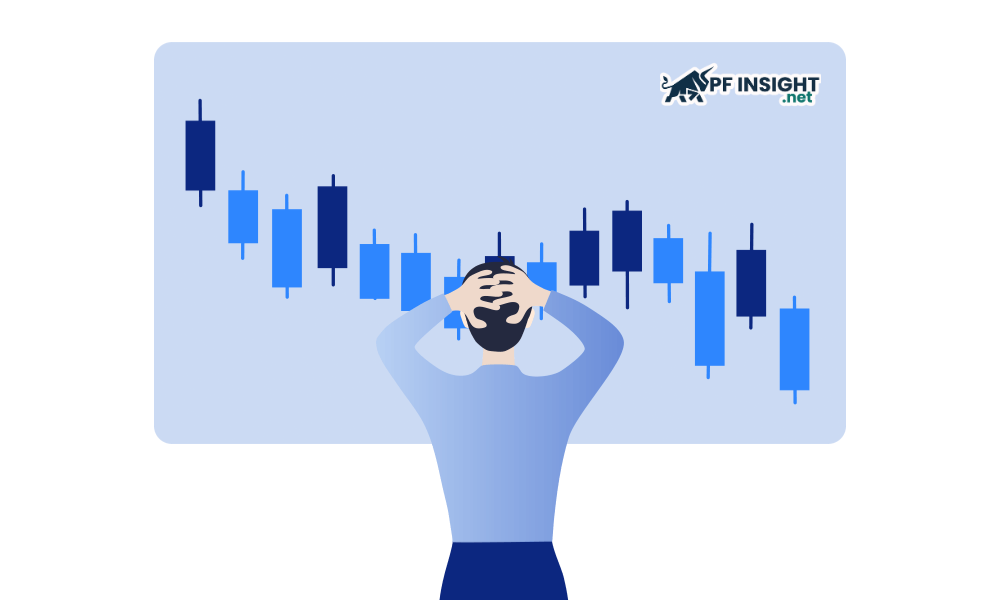
Traders often assume they always trade based on plans and objective analysis, but the reality is that emotions strongly influence trading behavior. According to trading psychology basics, the various emotional states that arise throughout the day can dictate how traders react to the market, especially during periods of high volatility. Without understanding the impact of emotions, traders are prone to making repeated mistakes.
By recognizing the role of emotions in the decision-making process, investors will be more proactive in avoiding common psychological pitfalls.
Trading in a state of fear
During the trading process, fear is an emotion that most traders experience, especially when the market moves against expectations. Trading psychology basics show that as soon as a position begins to lose money, anxiety gradually builds up and puts pressure on the decision-making process. Even with a clear strategy in place, many traders still react impulsively, changing plans or closing trades early for fear of losing capital. Understanding and controlling fear is key to maintaining trading discipline.
Under the influence of fear, traders often make many irrational trading decisions that go against their initial plans. Specifically:
- Avoiding entry due to fear of risk: Traders miss valid trading opportunities simply because they are afraid the market will move against their expectations, resulting in losses.
- Falling into the sunk cost trap: Traders continue to hold losing positions because they have invested too much time, effort, or capital, even though market signals are no longer favorable.
- Stop-loss reluctance: Traders are reluctant to close losing trades because they fear admitting their mistake, while simultaneously harboring hope that the price will recover in the future.
- Exiting trades prematurely due to fear of losing profits: Profitable trades are hastily closed out of fear of a market reversal, resulting in untapped potential profits.
According to trading psychology basics, understanding what triggers fear and sticking to a well-developed strategy helps traders limit emotional behavior and make more consistent decisions.
Greed-driven trading behavior
Greed is a constant emotion in trading, stemming from the desire to increase profits and achieve financial stability. Trading psychology basics indicate that the problem isn’t about seeking profit, but about traders not knowing when to stop. When the market moves as expected, the urge to make more can cause traders to abandon their initial plan and lose their advantage, leading to unnecessary losses.
Here are some common trading mistakes stemming from greed:
- Over trading: Greed leads traders to open too many orders beyond their established strategy, resulting in uncontrolled and impulsive trading behavior.
- Ignoring trading principles: In an effort to maximize profits or recoup losses, traders easily overlook established rules, increasing unnecessary risk.
- Excessive risk-taking: To achieve higher profits, traders may use unusually large volumes or take risks that exceed their capital tolerance.
- Imprudent capital management: Making large bets and lacking control over cash flow are common consequences when greed dominates trading decisions.
- Lack of clear profit and loss targets: Traders do not predetermine take-profit and stop-loss points for each trade, leading to ineffective capital management.
- Unrealistic profit expectations: Greed leads traders to set targets that are too high, far exceeding market conditions and their initial strategy.
- Hesitation to take profit: Even when a trade is profitable, traders hesitate to close the order because they want to take more profit.
By applying a clear risk/reward ratio, traders can more easily control their profit expectations and minimize the negative impact of greed on their trading decisions.
Trading based on hope
Hope is often seen as a positive and necessary emotion in life, but in financial trading, it can be a double-edged sword. Without clear analysis and data, hope can easily lead traders to ignore market signals. Especially when hope is combined with fear of loss or greed for profit, the initial trading strategy can be broken and turn into reckless decisions.
Basic trading psychology suggests that when hope dominates trading behavior, investors are more likely to disregard planning and take unnecessary risks.
- Trusting unfounded advice: Traders follow the opinions of others without evaluating the market themselves, simply hoping that those opinions will be correct.
- Holding onto losing positions in the hope of recovery: When hope combines with the fear of losses, traders continue to hold negative positions in the hope that the market will reverse.
- Failing to take profits at the right time: Excessive expectations and greed cause traders to miss the opportune moment to close a trade, even though the initial profit target has been reached.
Trading driven by regret
Regret is an emotion that most traders have experienced, especially when they set overly rigid trading rules and miss clear opportunities. Hesitation to enter trades or a lack of flexibility in the face of market fluctuations easily leads to thoughts like, “If only I had acted sooner.” These feelings of regret can subtly affect one’s psychology and distort subsequent trading decisions.
Feelings of regret can lead traders to make the following common mistakes:
- Excessive caution in subsequent trades: Traders become overly cautious due to being haunted by previously missed opportunities, leading to hesitation when entering trades.
- Abandoning an effective strategy: Traders abandon a proven method simply because of a feeling of regret at missing out on a new opportunity that arises.
- Indiscriminate copy trading: Traders imitate the decisions of others instead of analyzing the market themselves, hoping to avoid repeating past mistakes.
FOMO and envy in trading
FOMO (Fear of Missing Out) doesn’t just affect inexperienced traders; it also impacts those who have been trading for years. Trading psychology basics emphasize that when the fear of missing out dominates behavior, traders are more likely to break discipline and enter trades outside of their planned strategy. Chasing market fluctuations without proper analysis often leads to repeated mistakes and diminishes overall trading effectiveness.
Feeling envious of others’ success doesn’t automatically make you an ineffective trader. If trading results remain positive and risk is controlled, your approach might be appropriate. However, higher profits always come with the potential for greater losses, something every trader needs to consider carefully.
Psychological rules every trader should understand
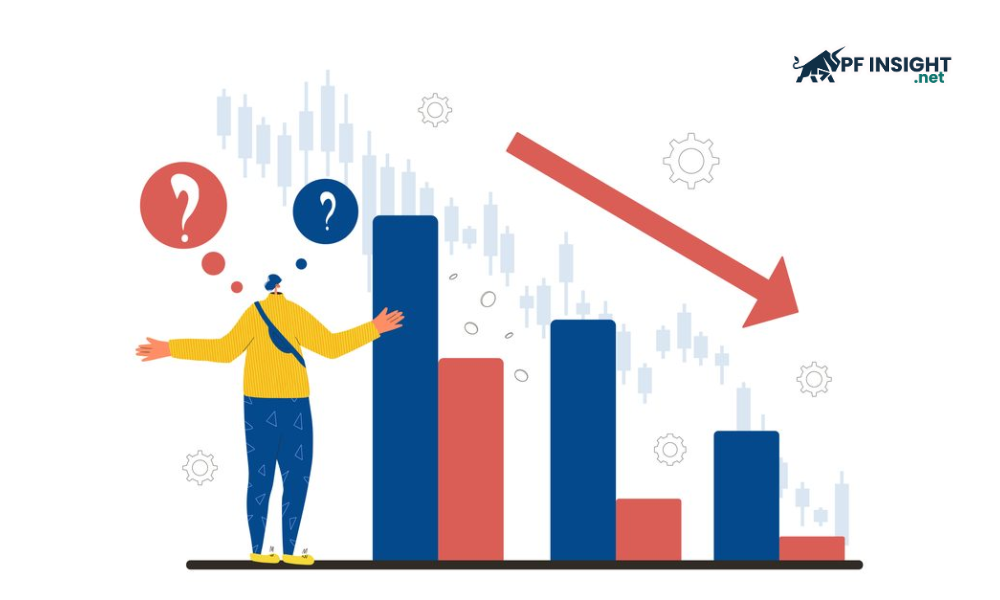
New traders should prioritize building a strong psychological foundation by mastering the core principles of trading. These principles help traders maintain emotional stability and better respond to market fluctuations.
Building a growth-oriented mindset
In trading psychology basics, a growth mindset helps traders view challenges as opportunities to improve their skills rather than threats. Losses should not be seen as personal failures, but as important feedback from the market. This approach encourages traders to focus on continuous learning, rather than striving for perfection in every trade. By maintaining a growth mindset, traders become more persistent in pursuing their long-term goals.
To hone this skill, beginners should keep a trading journal and periodically review their decisions, thereby building confidence and consistency.
Effective risk management
Risk management is essentially about controlling the maximum loss for each trade. It’s not just a tool to protect your account, but also acts as a psychological “shield” for traders. When you determine in advance the amount you’re willing to lose, emotional pressure is significantly reduced. This helps you trade more calmly and consistently. Risk management needs to be clearly defined in your trading plan. For beginners, establishing personal risk rules is a crucial step in overcoming the fear of entering trades.
Maintain patience and consistency
In trading, patience can be considered a major advantage that not everyone possesses. Sustainable profits don’t come from constantly entering trades, but from the ability to wait for the right moment. The market always moves according to its own rules, independent of personal desires. Rushing to find quick profits often leads traders to pay the price with losses. Therefore, observe the market, cultivate patience, and build discipline through consistent trading habits.
Limit impulsive decisions after a loss
According to trading psychology basics, profits and losses are normal in trading. After a loss, traders are easily tempted to execute revenge trades to “recover” their losses. This is a common emotional trap. The solution is to take a break, carefully analyze the cause of the loss, and only return to the market when you are calm and focused.
Mistakes caused by trading psychology basics that traders often make

The principles of trading psychology basics emphasize that psychological errors are inevitable, especially for new traders. Hasty decision-making, impatience, or poor risk management often lead to losses. However, identifying and correcting these errors will help traders improve performance and maintain discipline.
Here are some common mistakes you should be aware of:
- Lack of a specific trading strategy: The market is constantly changing, creating countless opportunities but also posing significant risks for traders. Without a clear strategy to guide them, traders are prone to making emotional decisions and executing orders impulsively. A detailed plan will help guide actions, maintain discipline, and manage risk effectively.
- Lack of a specific capital management strategy: Money management is a key element in trading. Without applying fundamental capital management principles, traders may take unnecessary risks, leading to the risk of losing their ability to maintain their account. A sound capital management strategy helps protect the account and minimize the negative impact of unexpected fluctuations.
- Trusting unverified advice: Trading based solely on unverified advice or tips often leads to hasty decisions and mistakes. This information is usually based on rumors or widely circulated information, so its actual effectiveness in the market is often not as expected.
- Prioritize profit over being right: In financial trading, the core objective is to generate profit, not to prove that you are always right. The market doesn’t care about personal opinions; it always reflects true value. Accepting that you can be wrong but still make money is an essential part of a professional trading mindset.
Mistakes are a risk in trading, but learning trading psychology basics helps traders become aware of their emotions, control impulsive reactions, and minimize errors, creating a solid foundation for long-term profitability.
What methods can help limit emotional influence when participating in the market?

The key to controlling emotions is recognizing their existence and objectively assessing their motivations. Mastering trading psychology basics helps you understand your emotions, identify impulsive behavior, and avoid being swayed by instinct when trading, leading to more effective decisions.
- Preparing a comprehensive trading plan: A clear trading plan helps traders maintain discipline. It outlines goals, strategies, entry/exit criteria, and risk limits. Documenting the plan reduces the impact of emotions and avoids impulsive reactions. For example, you could commit to: “Only enter a trade when the setup reaches a 2:1 risk-reward ratio.” Monthly, evaluate and adjust the plan to suit your experience and changing market conditions.
- Practice conscious awareness and focus: Apply mindfulness to avoid emotional turmoil during trading. Simply take deep breaths or meditate for 5 minutes, and you will regain calmness and clarity. The heightened focus from mindfulness helps you stick to your plan, thereby better controlling your emotions and achieving more sustainable results.
- Trading journal: Instead of letting losses discourage them, traders should view them as learning opportunities and keep emotions from controlling decisions. Applying trading psychology basics helps analyze mistakes, adjust strategies, and avoid repeating them. Keeping a trading journal to track orders, emotions, and results is an effective way to build self-awareness and improve discipline.
- Start with a modest capital: Begin trading with a small amount of capital to reduce risk and psychological pressure. Using a small account or experimenting on a simulator helps you practice, test your strategy, and build confidence. This is a crucial step in learning how to manage capital effectively before trading larger amounts.
Conclude
Understanding and applying trading psychology basics is fundamental to controlling emotions, maintaining discipline, and making effective trading decisions. By mastering trading psychology, you can minimize mistakes, optimize profits, and develop a long-term mindset, transforming trading from a matter of chance into a sustainable strategy.